
laminated safety glass
The Significance of Strap Rail Track in Modern Transportation In the intricate web of global transportation systems, the strap rail track, also known as the monorail, occupies a unique position. It is an innovative and efficient mode of transport that has been evolving since its inception, offering a blend of convenience, speed, and environmental sustainability. The strap rail track is essentially a single rail on which a specially designed vehicle runs, with its wheels straddling the rail like a harness. This design, characterized by its 'T' or 'I' shaped profile, sets it apart from conventional dual-rail systems. The 'strapping' refers to the way the train's wheels are attached to the sides of the rail, providing stability and balance. One of the key advantages of the strap rail track lies in its space efficiency. In densely populated urban landscapes, where land is a premium, monorails can navigate through narrow corridors, overhead spaces, and even buildings, minimizing land usage. They offer an ideal solution for cities looking to expand their public transport networks without extensive land acquisition. Moreover, the strap rail track system is renowned for its energy efficiency and low noise emission. Due to their lightweight construction and streamlined design, monorails require less power to operate compared to traditional trains. This translates into reduced carbon footprint, making them a popular choice in the era of climate change consciousness. The safety aspect of the strap rail track is another compelling feature. With only one rail, there is a lesser chance of derailment, and the elevated structure keeps the system away from ground-level obstacles With only one rail, there is a lesser chance of derailment, and the elevated structure keeps the system away from ground-level obstacles With only one rail, there is a lesser chance of derailment, and the elevated structure keeps the system away from ground-level obstacles With only one rail, there is a lesser chance of derailment, and the elevated structure keeps the system away from ground-level obstacles strap rail track . Additionally, the unique design allows for smoother curves and gradients, enhancing passenger comfort. Furthermore, the aesthetic appeal of monorails cannot be overlooked. Their futuristic design often becomes a city's landmark, adding to the urban landscape's charm. They offer panoramic views, turning daily commutes into enjoyable journeys. However, despite its many benefits, the strap rail track system also faces challenges. The initial installation cost can be high, and the technology requires specialized maintenance. Moreover, the capacity of monorails is generally lower than that of dual-rail systems, which might limit their use in heavily populated areas. In conclusion, the strap rail track, or monorail, is more than just a mode of transport; it's a symbol of progress, innovation, and sustainable living. While it may not be the universal answer to all transportation needs, it certainly presents a viable alternative, particularly in urban settings. As we continue to grapple with issues of congestion, pollution, and urbanization, the strap rail track stands as a testament to the potential of smart and eco-friendly transit solutions.
about
laminated safety glass
How to Turn Off the Main Water Valve A Step-by-Step Guide Every homeowner should know how to turn off the main water valve. Whether you are dealing with a plumbing emergency, performing maintenance, or preparing to leave your home for an extended period, being able to quickly and effectively shut off the water supply is crucial. This guide will walk you through the steps necessary to locate and turn off the main water valve in your home. Why You Need to Know Understanding how to turn off your main water valve can save you from significant damage and costly repairs. A burst pipe or a malfunctioning appliance can lead to flooding, mold growth, and structural damage. By shutting off the water supply, you can prevent such scenarios from escalating. Additionally, knowing how to turn off the water is essential before undertaking any plumbing repairs or renovations. Locating the Main Water Valve The first step is locating the main water valve in your home. The main water valve is typically found in one of the following areas 1. Basement or Crawl Space If your home has a basement or crawl space, the main water valve is often located near where the water line enters the home. Look for a round or oval-shaped valve connected to the water line. 2. Utility Room In homes without basements, the valve may be in a utility room, often near the water heater or other plumbing appliances. 3. Outside Some homes, particularly those in warmer climates, may have the main water valve located outside, usually near the property line. 4. Garage Check your garage, especially if it is attached to the house, as many water lines enter through this space. Identifying the Valve Type how to turn off main water valve Main water valves can be either a gate valve or a ball valve. A gate valve typically has a round wheel-type handle, while a ball valve usually has a lever handle. Being familiar with these types will help you identify how to operate them. 1. Gate Valve To turn off a gate valve, turn the handle clockwise. This may require a bit of force, as gate valves can become stiff over time. 2. Ball Valve A ball valve operates more smoothly; simply turn the lever perpendicular to the pipe to shut off the water. When the lever is parallel to the pipe, the water is on. Turning Off the Main Water Valve Once you’ve located and identified your main water valve, it’s time to turn it off. Follow these steps 1. Clear the Area Ensure that the surrounding area is clear of any obstructions. This precaution will allow you to maneuver easily and access the valve without any hindrances. 2. Turn Off the Valve For a gate valve, grasp the handle and turn it clockwise until it stops. If it feels stiff, apply consistent pressure rather than forcing it. For a ball valve, simply turn the lever until it is perpendicular to the pipe. 3. Check for Leaks After you have turned off the valve, it’s essential to check for any leaks in the system. Open a faucet in your home to relieve any remaining pressure in the pipes; this will also help confirm that the water supply is off. Final Notes Once you’ve successfully turned off the main water valve, you can proceed with your plumbing repairs or take measures to prevent water damage. Remember to periodically check the functionality of your valve, as valves can deteriorate over time. If you notice any issues, such as rust or difficulty in turning the valve, it may be wise to consult a plumber for maintenance or replacement. In conclusion, knowing how to turn off your main water valve is a simple yet essential skill for every homeowner. It’s an easy step that can provide peace of mind and protection against unexpected plumbing disasters. Take a few moments to locate your valve today, and you’ll be prepared for any future emergencies!
-

High quality industrial productsagement

High quality industrial products
View Details -

Meet the diverse needs of customers

Meet the diverse needs of customers
View Details -

Strict quality control

Strict quality control
View Details -

Top raw materials

Top raw materials
View Details -

Trusted supplier

Trusted supplier
View Details
Our application


news and information
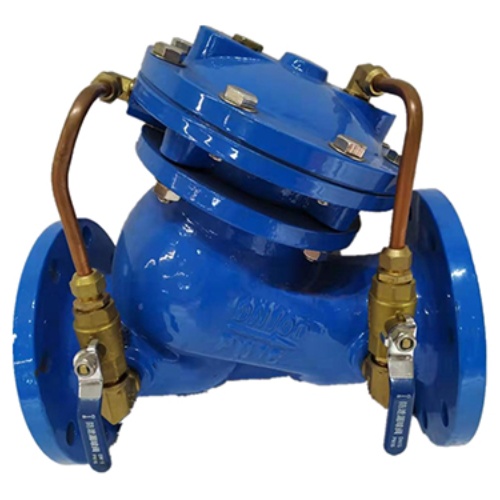
Water Control Solutions for Efficient Valve Management in Plumbing Systems
The Importance of Valve Water Management in Industrial Applications In various industrial operations
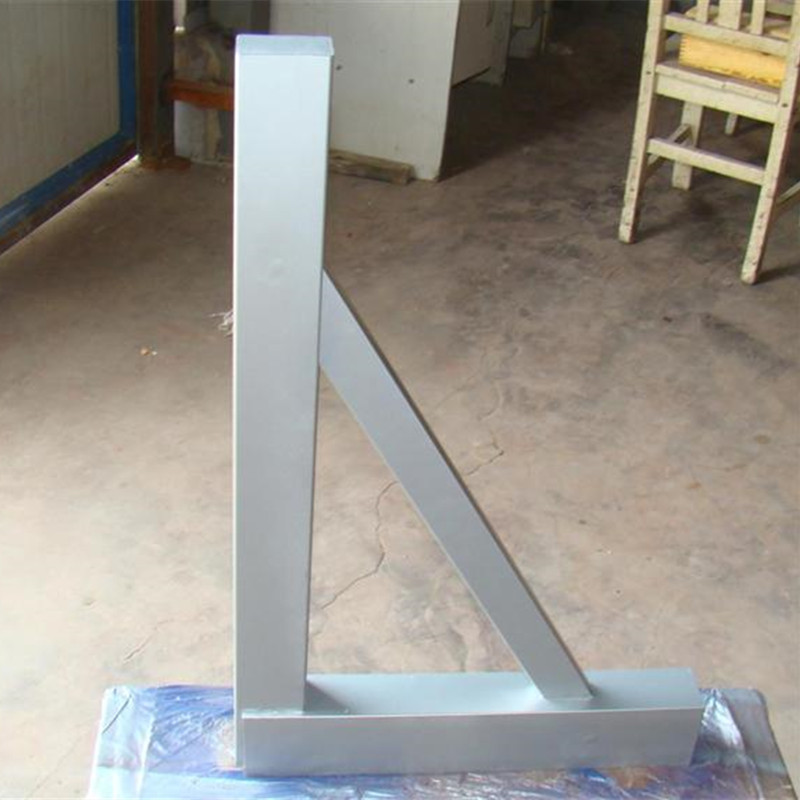
Versatile 4x8 Welding Table for Precision Metalwork and Fabrication Projects
The Versatility of a 4x8 Welding Table In the world of metalworking and fabrication, the importance
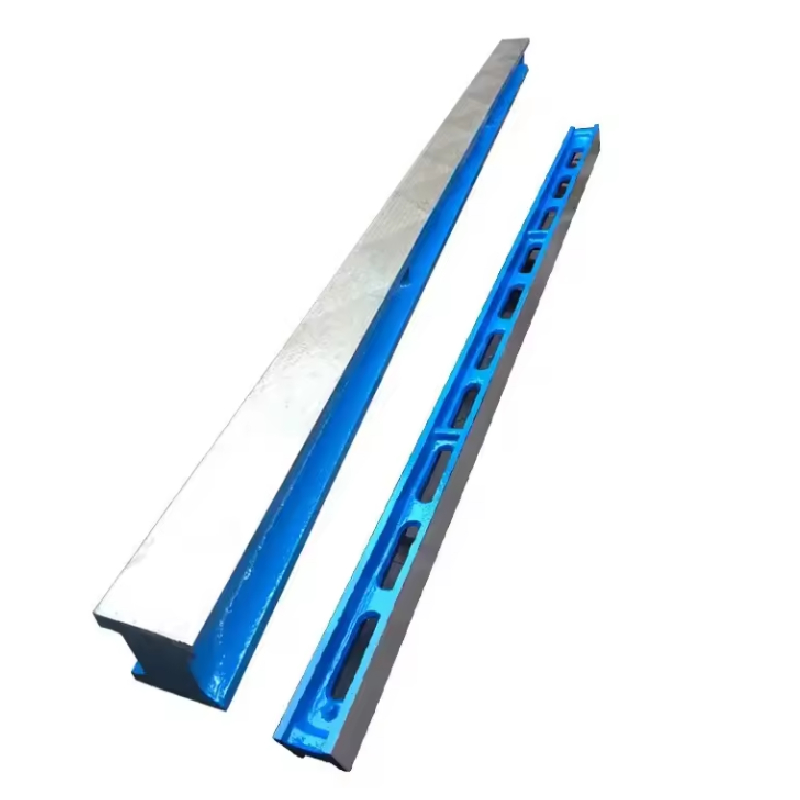
Utilizzo di barre d'acciaio nei lavori di costruzione di edifici e strutture
L'importanza delle barre d'acciaio nelle costruzioni edili Nel settore delle costruzioni, l'uso dell
 English